Source: http://sharpbrains.com/blog/2017/01/17/trend-consumers-experiment-with-transcranial-direct-current-stimulation-tdcs-with-no-regulatory-oversight/
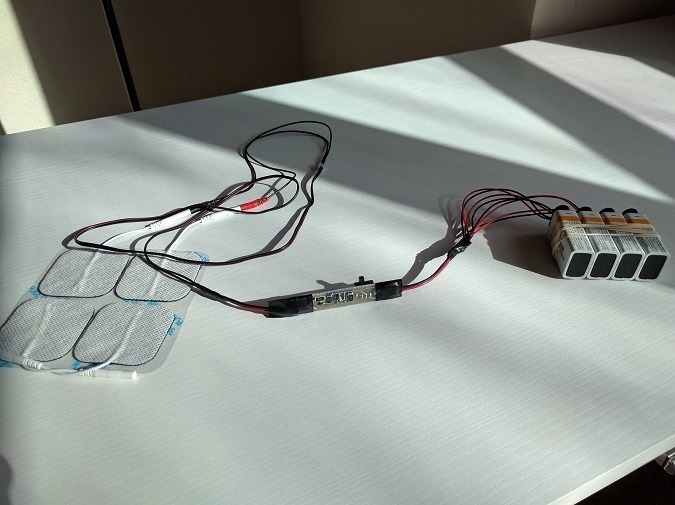
— DIY tDCS device: Four 9-volt batteries and sticky self-adhesive electrodes, connected by a circuit board. Courtesy of Matt Herich
Students Zap Their Brains For a Boost, For Better Or Worse (NPR):
“Last October, Matt Herich was listening to the news while he drove door to door delivering pizzas. A story came on the radio about a technology that sends an electric current through your brain to possibly make you better at…
Source: http://sharpbrains.com/blog/2017/01/17/trend-consumers-experiment-with-transcranial-direct-current-stimulation-tdcs-with-no-regulatory-oversight/
— DIY tDCS device: Four 9-volt batteries and sticky self-adhesive electrodes, connected by a circuit board. Courtesy of Matt Herich
Students Zap Their Brains For a Boost, For Better Or Worse (NPR):
“Last October, Matt Herich was listening to the news while he drove door to door delivering pizzas. A story came on the radio about a technology that sends an electric current through your brain to possibly make you better at…
Source http://www.fannetasticfood.com/easy-gluten-free-banana-muffins-and-pancakes/
Thank you to Simple Mills for sponsoring this post! Matt and I loved their products so much I already bought more of everything they sent us for this review. 🙂
Hello my friends! Over the past few weeks, I’ve been sharing pictures of muffins and pancakes that Matt and I have been enjoying and saying the recipes were coming. Well, get pumped, because the time is now and you’ll be excited to know they couldn’t be easier. 🙂

As you guys know, Matt is gluten free right now per doctor’s orders (more on that in this post in case you missed it), and the two things he’s missed the most are pancakes and banana muffins. So when <a href="http://www.simplemills.com/?utm_source=fannetasticfood.com&utm_medium=referral-social&utm_campaign=simplestart" rel…
Source http://www.fannetasticfood.com/easy-gluten-free-banana-muffins-and-pancakes/
Thank you to Simple Mills for sponsoring this post! Matt and I loved their products so much I already bought more of everything they sent us for this review. 🙂
Hello my friends! Over the past few weeks, I’ve been sharing pictures of muffins and pancakes that Matt and I have been enjoying and saying the recipes were coming. Well, get pumped, because the time is now and you’ll be excited to know they couldn’t be easier. 🙂
As you guys know, Matt is gluten free right now per doctor’s orders (more on that in this post in case you missed it), and the two things he’s missed the most are pancakes and banana muffins. So when <a href="http://www.simplemills.com/?utm_source=fannetasticfood.com&utm_medium=referral-social&utm_campaign=simplestart" rel…
Source: http://totalbrainhealth.com/?p=5838
DAY 17
LEARN EMOTIONAL FIRST AID. Go ahead and battle those negative feelings of self worth in order to help reach your cognitive potential. Listen to Guy Winch as he inspires us to practice emotional first aid in order to function at our best.
…
Source: http://totalbrainhealth.com/?p=5838
DAY 17
LEARN EMOTIONAL FIRST AID. Go ahead and battle those negative feelings of self worth in order to help reach your cognitive potential. Listen to Guy Winch as he inspires us to practice emotional first aid in order to function at our best.
…
Source: http://yourbrainhealth.com.au/brain-fog-menopause-real/

Women going through menopause often report memory problems or ‘brain fog’, alongside other symptoms. In this blog I take a look at the role of fluctuating hormones and their impact on the brain, and the cognitive changes that occur during this phase of life.
Menopause, symptoms and causes
Menopause marks the end of a woman’s reproductive life. In Australia, most women reach menopause between 45-55 years of age, and the change is heralded by symptoms such as hot flashes, night sweats, mood swings and forgetfulness.
Menopausal symptoms are created by fluctuating levels of ovarian hormones, including oestrogen, progesterone and testosterone. Once hormones level out in the years after a women’s last menstrual period, many symptoms disappear too.<…
Source: http://yourbrainhealth.com.au/brain-fog-menopause-real/
Women going through menopause often report memory problems or ‘brain fog’, alongside other symptoms. In this blog I take a look at the role of fluctuating hormones and their impact on the brain, and the cognitive changes that occur during this phase of life.
Menopause, symptoms and causes
Menopause marks the end of a woman’s reproductive life. In Australia, most women reach menopause between 45-55 years of age, and the change is heralded by symptoms such as hot flashes, night sweats, mood swings and forgetfulness.
Menopausal symptoms are created by fluctuating levels of ovarian hormones, including oestrogen, progesterone and testosterone. Once hormones level out in the years after a women’s last menstrual period, many symptoms disappear too.<…
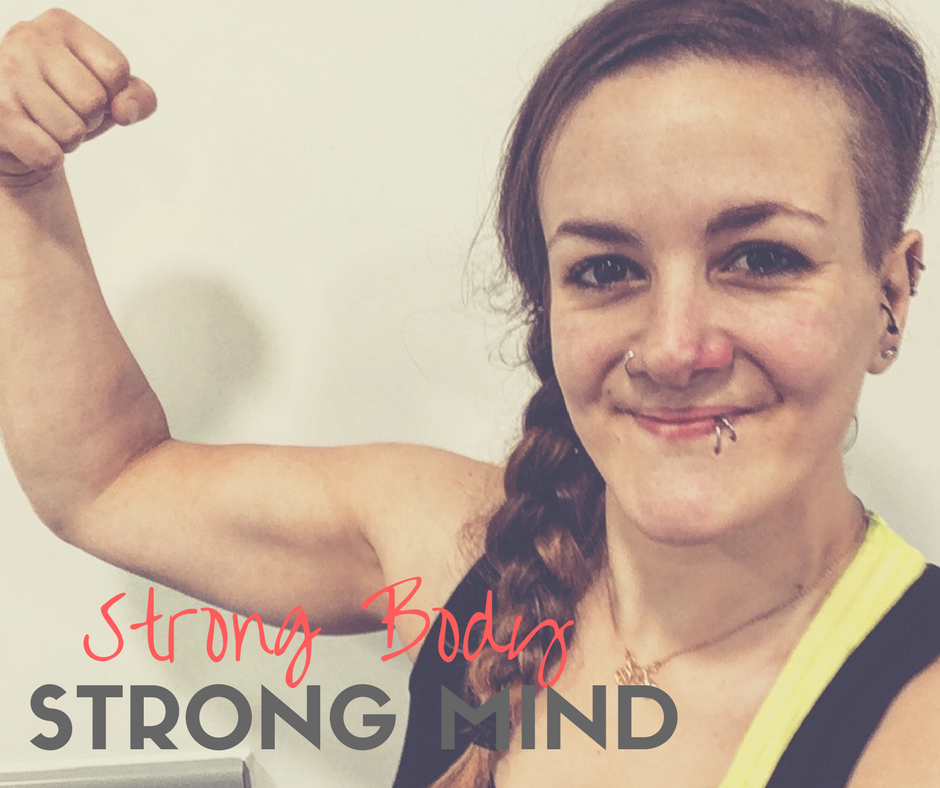
Source http://www.thefitbits.com/2017/01/strong-body-strong-mind-focusing-on.html
I’ve thrown myself heart first into 2017. Last year was a difficult one for me, for many reasons that I may or may not write about properly, but let’s just say that realising I had high blood pressure, being treated to my first panic attack, breaking my collarbone and wrist (silly Tess), and losing my precious, brave Yaya (Greek for nan) along with various other personal events that went a bit tits up meant I had a predominantly stressed and strung out 2016.
<sp…
Source http://www.thefitbits.com/2017/01/strong-body-strong-mind-focusing-on.html
I’ve thrown myself heart first into 2017. Last year was a difficult one for me, for many reasons that I may or may not write about properly, but let’s just say that realising I had high blood pressure, being treated to my first panic attack, breaking my collarbone and wrist (silly Tess), and losing my precious, brave Yaya (Greek for nan) along with various other personal events that went a bit tits up meant I had a predominantly stressed and strung out 2016.
<sp…
Source: http://sharpbrains.com/blog/2017/01/16/to-reduce-heart-disease-and-stroke-risks-regulate-stress-and-improve-brain-health/
 —–
—–
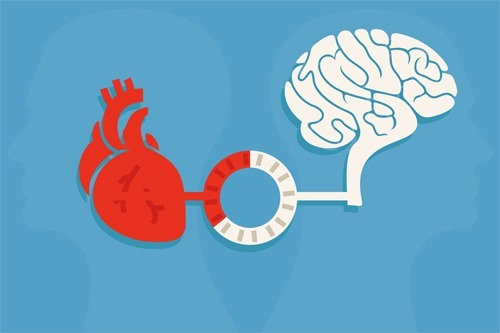
How stress may increase risk of heart disease and stroke (ScienceDaily):
“Heightened activity in the amygdala — a region of the brain involved in stress — is associated with a greater risk of heart disease and stroke, according to a study published in The Lancet that provides new insights into the possible mechanism by which stress can lead to cardiovascular disease in humans…In this study, 293 patients were given a combined PET/CT scan to record their brain, bone marrow and spleen activity and inflammation of their arteries. The patients …
Source: http://sharpbrains.com/blog/2017/01/16/to-reduce-heart-disease-and-stroke-risks-regulate-stress-and-improve-brain-health/
—–
How stress may increase risk of heart disease and stroke (ScienceDaily):
“Heightened activity in the amygdala — a region of the brain involved in stress — is associated with a greater risk of heart disease and stroke, according to a study published in The Lancet that provides new insights into the possible mechanism by which stress can lead to cardiovascular disease in humans…In this study, 293 patients were given a combined PET/CT scan to record their brain, bone marrow and spleen activity and inflammation of their arteries. The patients …
Source http://refineryfitnesspdx.com/how-much-protein-do-you-need/
Protein is amazingly important for our health and well being. Since protein is the building block of our muscles, organs, tendons and skin, if we are not consuming enough protein in our diet, our body will start tearing down existing structures in our body. Our hormone balance and immune systems are also impacted by the amount of protein we consume. Protein is composed of amino acids, some of which our body produces and some that need to be obtained from our food. Eating less than the recommended daily amount can have wide ranging consequences for our health.
Recommendations for the appropriate amount of protein vary widely, depending on age, sex, activity level and body size. The USDA recommends getting about 15-20% of your daily calories from protein. Each gram of protein has 4 calories, so for a 2000 calorie diet, you would consume 75-100 grams of protein a day. Most studies recommend between .7- 1 gram of protein per pound of body weight depending on activity level and health goals. Athletes and people who work physically demanding jobs usually require more protein than sedentary people.
Protein can be obtained from both animal and non-animal sources. Animal sources of protein offer “complete” proteins. Eggs, lean chicken, grass fed beef and dairy products are all excellent sources of complete proteins. However, few plant based proteins are considered “complete” proteins, meaning they contain all th…
Source http://refineryfitnesspdx.com/how-much-protein-do-you-need/
Protein is amazingly important for our health and well being. Since protein is the building block of our muscles, organs, tendons and skin, if we are not consuming enough protein in our diet, our body will start tearing down existing structures in our body. Our hormone balance and immune systems are also impacted by the amount of protein we consume. Protein is composed of amino acids, some of which our body produces and some that need to be obtained from our food. Eating less than the recommended daily amount can have wide ranging consequences for our health.
Recommendations for the appropriate amount of protein vary widely, depending on age, sex, activity level and body size. The USDA recommends getting about 15-20% of your daily calories from protein. Each gram of protein has 4 calories, so for a 2000 calorie diet, you would consume 75-100 grams of protein a day. Most studies recommend between .7- 1 gram of protein per pound of body weight depending on activity level and health goals. Athletes and people who work physically demanding jobs usually require more protein than sedentary people.
Protein can be obtained from both animal and non-animal sources. Animal sources of protein offer “complete” proteins. Eggs, lean chicken, grass fed beef and dairy products are all excellent sources of complete proteins. However, few plant based proteins are considered “complete” proteins, meaning they contain all th…
Source: http://womensbrainhealth.org/helpful-thinking/caregivers-need-to-be-aware-of-burnout-danger
by Kathy A. Miller for Enid News: When one is caring for a loved one with Alzheimer’s or dementia, chances are they are acutely aware of all of the details of that individual’s care. They know what medication has……
Source: http://womensbrainhealth.org/helpful-thinking/caregivers-need-to-be-aware-of-burnout-danger
by Kathy A. Miller for Enid News: When one is caring for a loved one with Alzheimer’s or dementia, chances are they are acutely aware of all of the details of that individual’s care. They know what medication has……
Source http://www.theminimalists.com/volume/
By Joshua Fields Millburn & Ryan Nicodemus · Follow: Facebook, Twitter, Instagram
With all the technological advances of the past few decades, we’ve become more efficient than ever. But, of course, with every discrete bit of input from our laptops, tablets, smartphones, earbuds, email, apps, and Wi-Fi toasters, our world has grown louder.
Noise is an unintentional byproduct of productivity. The more we produce, the more we increase the volume. Eventually the noise is so loud we must shout to be heard.
There are many ways to turn down the volume:
Check social media only once a day.
Turn off all notifications—beeps, dings, bells, whistles.
Make time—schedule alone time, quiet time, free time.
Respond to only the emails that …
Source http://www.theminimalists.com/volume/
By Joshua Fields Millburn & Ryan Nicodemus · Follow: Facebook, Twitter, Instagram
With all the technological advances of the past few decades, we’ve become more efficient than ever. But, of course, with every discrete bit of input from our laptops, tablets, smartphones, earbuds, email, apps, and Wi-Fi toasters, our world has grown louder.
Noise is an unintentional byproduct of productivity. The more we produce, the more we increase the volume. Eventually the noise is so loud we must shout to be heard.
There are many ways to turn down the volume:
Check social media only once a day.
Turn off all notifications—beeps, dings, bells, whistles.
Make time—schedule alone time, quiet time, free time.
Respond to only the emails that …