Technology has enhanced the world for those with vision limitations. As many as 50 million Americans have some degree of vision loss — a problem that was poorly addressed by technology prior to the arrival of smartphone navigation, smart glasses, sensors, robotics and AI in nearly all devices and technologies. Today, it’s a whole new and innovative world — supportive of individuals with a range of vision limitations from low vision to completely blind. And in fact, today those who are blind can use haptics to follow a game in real time, even in a stadium. They can create presentations from data sets, read road signs down the road, navigate airports and safely make …
Technology has enhanced the world for those with vision limitations. As many as 50 million Americans have some degree of vision loss — a problem that was poorly addressed by technology prior to the arrival of smartphone navigation, smart glasses, sensors, robotics and AI in nearly all devices and technologies. Today, it’s a whole new and innovative world — supportive of individuals with a range of vision limitations from low vision to completely blind. And in fact, today those who are blind can use haptics to follow a game in real time, even in a stadium. They can create presentations from data sets, read road signs down the road, navigate airports and safely make …
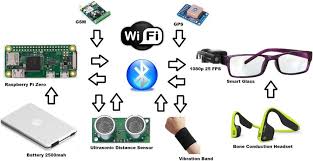 Technology has enhanced the world for those with vision limitations. As many as 50 million Americans have some degree of vision loss — a problem that was poorly addressed by technology prior to the arrival of smartphone navigation, smart glasses, sensors, robotics and AI in nearly all devices and technologies. Today, it’s a whole new and innovative world — supportive of individuals with a range of vision limitations from low vision to completely blind. And in fact, today those who are blind can use haptics to follow a game in real time, even in a stadium. They can create presentations from data sets, read road signs down the road, navigate airports and safely make …